
Trust is the real currency in payments.
Customers don’t hesitate because they don’t have money. They hesitate because something about the payment process doesn’t feel quite right. And in many cases, that hesitation comes down to how they’re asked to pay.
Two common options dominate business payments today: sharing an account number or sending a payment link.
Both work. But they don’t inspire the same level of trust. Here’s why.
Why Account Numbers Feel Familiar But Fragile
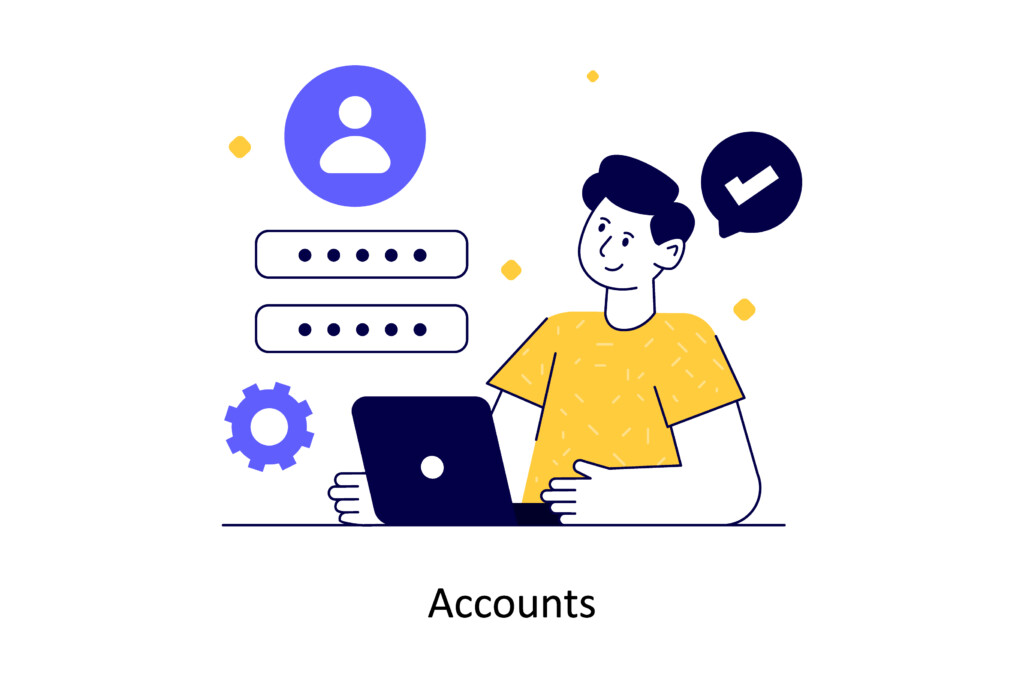
Account numbers are familiar. Customers have used them for years, which creates a sense of comfort. But familiarity doesn’t always equal confidence.
From a customer’s perspective, account-number payments come with friction:
- They have to copy details correctly
- They must remember or type references
- They often receive no instant confirmation
- Errors feel irreversible
Even when customers trust the business, they’re unsure about the process. That uncertainty introduces delay.
In trust psychology, this is called effort-based doubt: when a task requires too much precision, people hesitate because the cost of making a mistake feels high.
Why Payment Links Feel Safer by Design
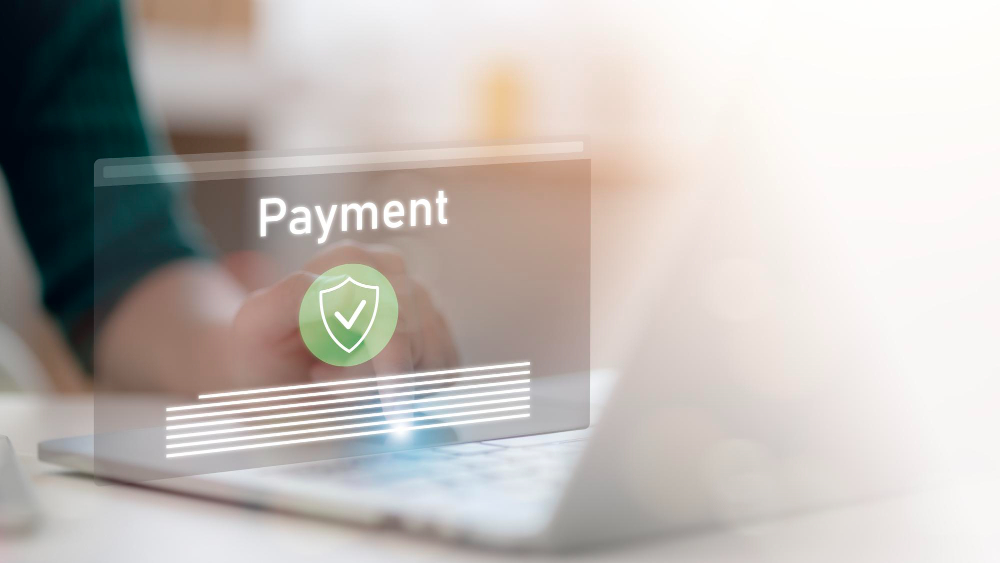
Payment links shift trust away from memory and effort, and place it into structure.
When customers receive a payment link, they see:
- The exact amount to pay
- The recipient’s identity
- The purpose of the payment
- A clear, guided flow
- Instant confirmation after payment
This reduces anxiety because the system does the thinking for them.
From a psychological standpoint, payment links create procedural trust: confidence in the process itself, not just the brand behind it.
Trust Isn’t About Technology, it’s About Clarity
Customers trust what they understand.
Payment links work because they remove ambiguity, reduce the chance of error, and provide immediate feedback.
Account numbers, on the other hand, rely heavily on customers “getting it right.” That mental burden slows action, especially for first-time or high-value payments.
In moments involving money, people naturally prefer options that feel guided and controlled.
Customers don’t pay faster just because payment links are quicker. They pay faster because they feel more confident completing the transaction.
Confidence reduces second-guessing.
Second-guessing causes delay.
In that sense, faster payments are less about urgency, and more about reassurance.
So, Which One Do Customers Trust More?
Customers tend to trust payment links more when the amount is fixed, clarity matters, confirmation is important, and mobile convenience is expected.
Account numbers still have their place, especially in familiar or recurring contexts. But as businesses scale and customer expectations rise, trust increasingly favors systems that feel structured, transparent, and low-effort.
Businesses that want fewer follow-ups, faster payments, and better customer experience should think beyond “what works”, and focus on what feels safe and clear to the customer.
Because in payments, perception shapes behavior just as much as functionality.