
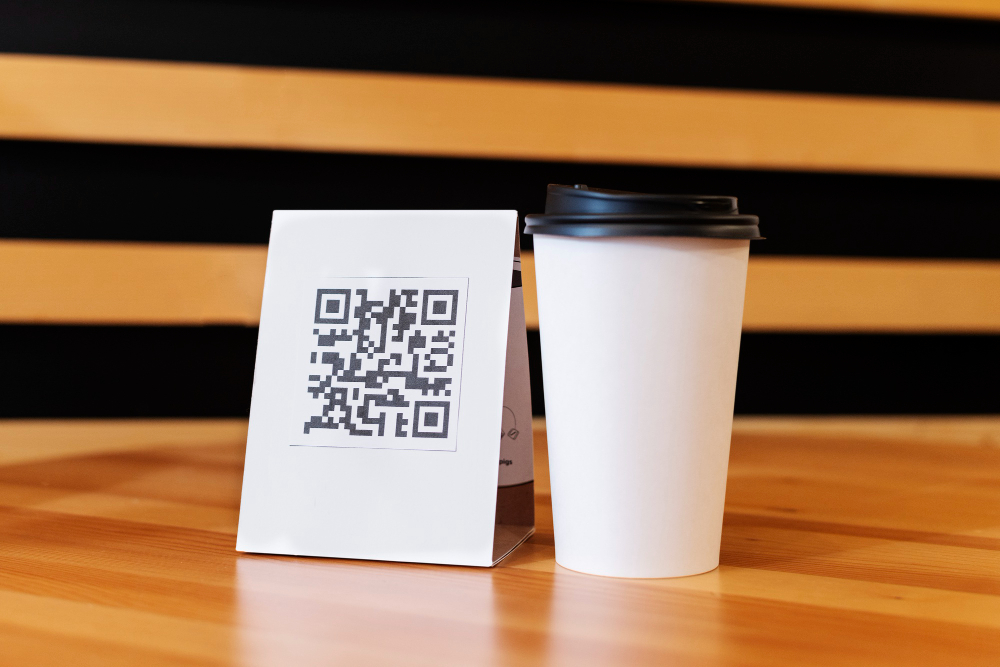
QR codes have quietly become one of the most powerful tools in modern commerce. Once seen as a novelty, they are now a core part of how businesses connect with customers, accept payments, and simplify experiences across physical and digital touchpoints.
For smart brands, QR codes are no longer just about convenience, they’re about speed, accessibility, and conversion.
In fast-moving markets like Nigeria, where customers use a mix of bank apps, mobile wallets, and cards, QR codes offer something rare: a universal, frictionless way to complete transactions and interactions.
Why QR Codes Are Becoming Essential for Businesses
Today’s customers expect interactions to be fast, simple, and mobile-first. QR codes meet all three expectations.
Instead of typing URLs, entering bank details, or navigating complex checkout flows, customers can simply scan and act instantly.
For businesses, this reduces friction at the exact moment that matters most, when a customer is ready to engage or pay.
1. QR Codes at Events: Turning Attention Into Action
Events are high-energy environments where attention is limited and opportunities are fleeting.
So, smart brands use QR codes to collect payments instantly for tickets, merchandise, or services, capture leads without paper forms, drive traffic to landing pages, apps, or offers, and enable quick sign-ups for future engagement
Instead of long queues or manual processes, attendees scan a code and complete their action within seconds.
For example, a vendor at a tech conference can display a QR code that allows attendees to pay instantly, access product demos, and join a mailing list.
The result? Less friction, more conversion.
2. QR Codes in Stores: Simplifying Payments and Experience
In physical retail environments, speed and ease directly impact sales.
QR codes help businesses: accept payments without POS delays, reduce dependency on cash handling, serve customers faster during peak periods, and provide a backup when card terminals fail.
With QR payments, customers can use any banking or wallet app to complete a transaction, no need for specific hardware or complicated setup.
Platforms like Woven Finance enable businesses to generate QR codes that work across multiple payment channels, ensuring that customers can pay however they prefer.
3. QR Codes Online: Bridging Offline and Digital
QR codes are not limited to physical spaces. Smart brands are using them to connect offline touchpoints to online experiences.
Common use cases include social media posts linking to payment or signup pages, email campaigns driving users to quick checkout flows, packaging inserts leading to repeat purchases, and print materials connecting to digital offers
For example, a business can include a QR code in a flyer that takes customers directly to a payment page, removing multiple steps from the buying journey.
4. Why QR Codes Improve Conversion Rates
Every additional step in a customer journey increases the risk of drop-off.
QR codes reduce typing errors, navigation delays, and decision fatigue.
By shortening the path from intent to action, businesses can significantly improve conversion rates.
In many cases, the difference between a completed transaction and an abandoned one is simply how easy it is to act in the moment.
5. The Operational Advantage for Businesses
Beyond customer experience, QR codes also improve internal operations.
Businesses gain real-time payment tracking, simplified reconciliation, centralized transaction records, and reduced manual errors, among other things.
With solutions like Woven Finance, QR transactions are automatically recorded and tracked, giving finance teams full visibility without relying on manual confirmation or spreadsheets.
The difference isn’t just using QR codes; it’s how they’re used.
Smart brands place QR codes exactly where decisions happen, pair them with clear calls to action (“Scan to pay,” “Scan to order”), ensure the experience after scanning is fast and seamless, and use them consistently across events, stores, and digital channels
They treat QR codes as part of their customer journey, not just an add-on.
To get the most out of QR codes:
- Make them visible: Place them where customers can easily see and access them
- Add context: Tell users what happens when they scan
- Test the experience: Ensure fast loading and smooth navigation
- Optimize for mobile: The entire journey should feel effortless on a phone
- Track performance: Monitor scans and conversions to improve results
QR codes are simple, but their impact is powerful.
They remove friction, speed up transactions, and connect physical and digital experiences in a way that feels natural to today’s customers.
For businesses looking to improve conversions, streamline operations, and meet customers where they are, QR codes are no longer optional, they’re essential.
And for smart brands, the question is no longer whether to use QR codes, but how effectively they’re being used.