The right payment gateway does more than accept payments. It protects your revenue, improves customer experience, simplifies operations, and gives your business the infrastructure to grow. Here’s how to choose one with confidence.

Every Payment Starts with a Decision
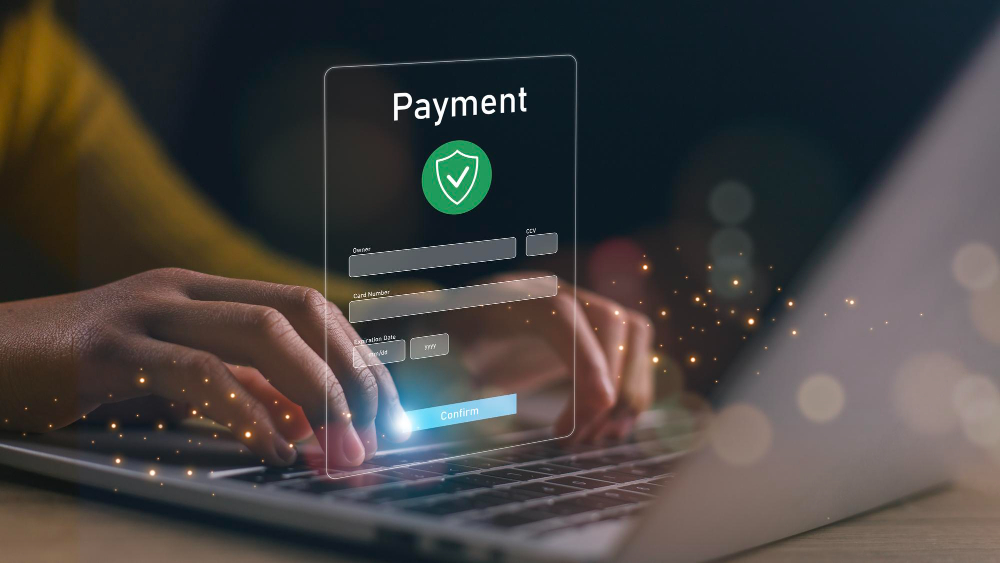
Imagine that a customer has spent ten minutes browsing your website. They’ve compared products, added items to their cart, entered their delivery details, and finally clicked “Pay Now.”
This is the moment that matters most.
If the payment fails, takes too long to process, or doesn’t support the customer’s preferred payment method, you may lose the sale; not because your product wasn’t good enough, but because your payment experience wasn’t.
For businesses, payments aren’t just transactions. They’re moments of trust. That’s why choosing the right payment gateway is one of the most important technology decisions you’ll make.
Whether you’re launching an online store, managing a growing retail chain, running a logistics company, or building a SaaS platform, your payment gateway directly affects your revenue, customer satisfaction, and operational efficiency.
This guide will help you choose the right one.
What Is a Payment Gateway?
A payment gateway is the technology that securely authorises and processes electronic payments between your customer, your business, and financial institutions.
In just a few seconds, it:
- Collects payment information securely
- Verifies the transaction
- Confirms whether payment has been approved
- Facilitates the movement of funds
- Sends confirmation back to both the customer and your business
To your customers, the experience feels simple. Behind the scenes, multiple systems work together to complete every transaction securely.
The better your payment gateway performs, the smoother that experience becomes.
Why Your Choice Matters More Than You Think
Many businesses compare payment providers based on transaction fees alone. That’s understandable, but it’s rarely the smartest approach. A payment gateway influences almost every stage of your payment operations.
It affects:
- How many customers successfully complete checkout
- How quickly your business receives funds
- How easily your finance team reconciles payments
- How secure customer transactions are
- How easily your business can scale
Saving a fraction on transaction fees means very little if unreliable payment processing causes customers to abandon their purchases. The cheapest option isn’t always the most cost-effective one.
The GATEWAY Framework: A Smarter Way to Evaluate Payment Providers
Instead of comparing dozens of feature lists, evaluate every payment gateway using seven key criteria.

G — Growth
Your payment gateway should support where your business is going—not just where it is today.
Ask yourself:
- Can it handle higher transaction volumes?
- Can it support multiple business locations?
- Will it grow with your business over the next three to five years?
Changing payment providers later can involve technical migrations, customer disruption, and additional costs.
Choose with your future in mind.

A — Acceptance
Customers expect choice. A modern payment gateway should support the payment methods your customers already prefer.
Look for support for:
- Cards
- Bank transfers
- Payment Links
- QR Payments
- Virtual Accounts
- Recurring payments
- Developer APIs
The easier it is for customers to pay, the more likely they are to complete their purchase.

T — Trust
Trust is built long before customers click “Confirm Payment.” Security should never be an afterthought.
Your payment gateway should provide:
- PCI DSS compliance
- End-to-end encryption
- Fraud detection tools
- Secure authentication
- Continuous transaction monitoring
Customers rarely notice excellent security.
They immediately notice poor security.

E — Efficiency
Payments don’t end after customers check out. Finance teams still need to track, reconcile, and report every transaction.
Look for features such as:
- Real-time dashboards
- Settlement reports
- Transaction history
- Automated reconciliation
- Downloadable reports
The right reporting tools can save hours of manual work every week.

W — Workflows
Your payment gateway should integrate seamlessly into the way your business already operates.
Ask:
- Does it provide well-documented APIs?
- Does it integrate with your website or application?
- Can developers implement it easily?
- Will it connect with your accounting or ERP systems?
A powerful gateway that takes months to integrate may slow your business more than it helps.
A — Analytics
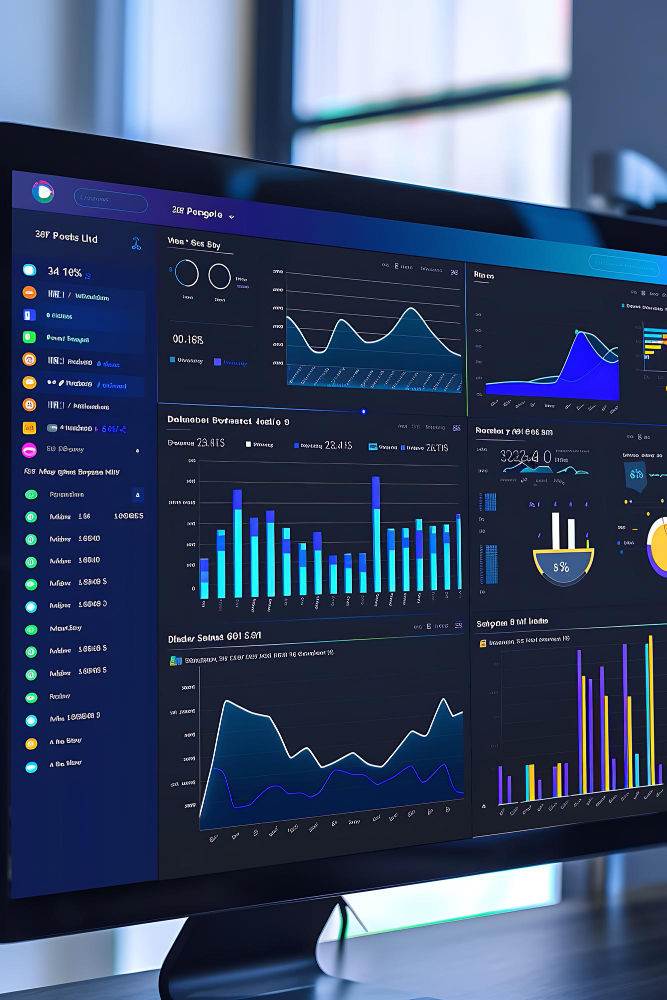
Every payment generates valuable business data. Choose a provider that gives you visibility into:
- Payment success rates
- Failed transactions
- Customer payment behaviour
- Settlement history
- Revenue trends
Better insights lead to better business decisions.
Y — Your Customer Experience
The best payment gateways feel almost invisible. Customers shouldn’t have to think about the payment process. A great payment experience is:
- Fast
- Secure
- Reliable
- Mobile-friendly
- Easy to complete
Every extra click introduces friction, and every failed transaction reduces trust.
What Does the Right Payment Gateway Look Like?
| Consideration | Questions to Ask |
| Security | Is customer data protected? |
| Reliability | What is the transaction success rate? |
| Payment Methods | Can customers pay how they want? |
| Integrations | Will it work with my systems? |
| Reporting | How easy is reconciliation? |
| Scalability | Will it support future growth? |
| Support | Is help available when I need it? |
| Pricing | Are all costs transparent? |
Different Businesses Have Different Needs
There is no universal “best” payment gateway; The right choice depends on your business model.
If You Run an E-commerce Business
Prioritise fast checkout, high card success rates, payment Links, multiple payment methods, and fraud prevention
If You Run a School
Focus on virtual accounts, easy fee collection, automated reconciliation, clear payment tracking
If You Manage a Logistics Business
Look for bulk Payouts, fast collections, driver payments, and real-time reporting.
If You Operate a SaaS Business
Choose a gateway with strong APIs, subscription support, developer documentation, and reliable uptime.
Common Mistakes Businesses Make
Choosing a payment gateway is a long-term decision, yet many businesses evaluate providers using only one criterion: price.
Here are some of the most common mistakes to avoid.
1. Choosing Based Only on Fees
Lower transaction fees don’t always mean lower overall costs. Failed payments, delayed settlements, and poor customer experiences can cost far more.
2. Ignoring Settlement Times
Understand exactly when your business will receive funds. Healthy cash flow depends on predictable settlements.
3. Overlooking Reporting Features
As transaction volumes increase, manual reconciliation becomes increasingly time-consuming. Choose a gateway that helps your finance team work more efficiently.
4. Thinking Only About Today
Your payment needs will change as your business grows. Choose infrastructure that can scale with you.
Questions Every Business Should Ask Before Choosing a Payment Gateway
Before making your final decision, ask:
✔ Can my customers pay using their preferred methods?
✔ Is the platform secure and compliant?
✔ How reliable is transaction processing?
✔ How quickly will settlements be made?
✔ Will integration be straightforward?
✔ Does it simplify reconciliation?
✔ Can it support future growth?
✔ Is customer support responsive?
If you can’t confidently answer “yes” to most of these questions, continue evaluating your options.

Beyond Payments: Choosing a Business Growth Partner
The best payment providers do more than process transactions. They help businesses operate more efficiently.
Look for providers that also offer capabilities such as:
- Payment Links for remote collections
- QR Payments for in-person transactions
- Virtual Accounts for easier reconciliation
- Bulk Payouts for supplier and employee payments
- APIs for custom integrations
- Real-time dashboards for better visibility
A complete payment ecosystem reduces operational complexity and supports long-term growth.
Customers rarely remember a payment because it went well. They remember it when it didn’t.
Every successful payment builds confidence in your business. Every failed one creates friction that can be difficult to recover from.
Choosing the right payment gateway isn’t simply about accepting payments. It’s about creating faster checkouts, improving cash flow, reducing operational effort, and building an experience that customers trust.
As your business grows, your payment infrastructure should grow with it. Choose a payment gateway that isn’t just built for today’s transactions, but for tomorrow’s ambitions.
Choosing the right payment gateway shouldn’t be guesswork. Whether you’re collecting payments online, in-store or at scale, Woven gives businesses the tools to accept payments securely, reconcile transactions effortlessly and grow with confidence.
Explore Woven’s payment solutions or speak with our team to find the right setup for your business.

Frequently Asked Questions
What is the best payment gateway for a small business?
The best payment gateway is one that offers secure payment processing, supports your customers’ preferred payment methods, integrates easily with your existing systems, and can scale as your business grows.
What’s the difference between a payment gateway and a payment processor?
A payment gateway securely authorises and transmits payment information, while a payment processor facilitates the movement of funds between financial institutions. Many providers offer both services as part of a single payment solution.
How do I know if a payment gateway is secure?
Look for PCI DSS compliance, encryption, fraud detection tools, secure authentication, and a strong track record of reliability.
Can I switch payment gateways later?
Yes, but switching providers can involve technical work, operational changes, and customer communication. Choosing a scalable provider from the start often reduces future disruption.