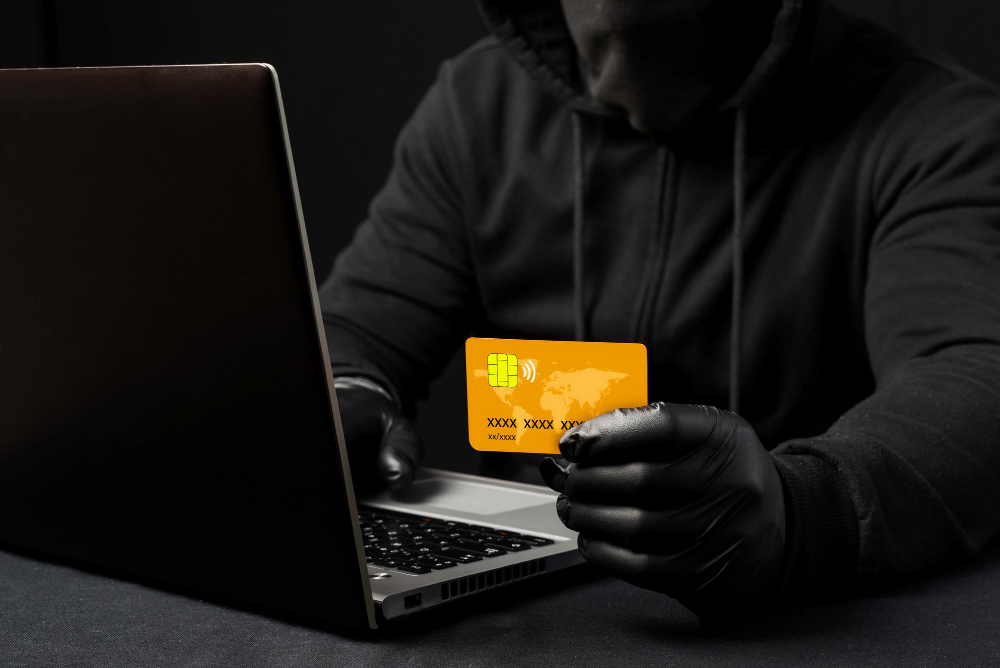
Fraud never starts with something obvious.
Not anymore. Today’s fraud doesn’t announce itself with broken English, suspicious links, or those once-laughable “urgent assistance needed” emails. Instead, it wears a familiar voice, copies a trusted sender, looks like a routine notification, and blends so effortlessly into everyday transactions that you only realize something is wrong after the damage has already been done. And in a world where businesses rely heavily on digital payments, this subtlety has become the greatest threat.
Fraud Awareness Week arrives at a crucial moment, because the digital payment ecosystem has entered an era where manipulation is more effective than malware. Cybercriminals have mastered social engineering, the art of studying human behaviour, understanding workplace routines, and exploiting moments when people are distracted, overwhelmed, or simply trying to get things done quickly. So, fraud no longer feels like an external attack; it now disguises itself as part of your normal workflow.
When a scam mimics your bank, your supplier, your colleague, or your payment provider, second-guessing becomes harder, and the cost of a simple mistake grows significantly.
The cost of falling for such tactics goes far beyond the immediate financial loss. A single successful fraud attempt can shut down business operations for days, compromise customer data, expose internal access credentials, or trigger long-term identity monitoring issues. The reputational damage alone, especially for businesses managing payments, customer information, or recurring financial activity, can linger far longer than the loss itself. This is why awareness is no longer optional; it is an essential part of operating confidently in a world where financial activity blends seamlessly with digital communication.
Fortunately, building a strong defence does not require technical expertise. It starts with awareness recognizing that anything involving pressure to act immediately, requests for confidential information, or unfamiliar links is a potential threat. Even highly convincing messages fall apart when examined slowly. Scammers can replicate branding, but they cannot recreate official communication routes, verified numbers, or authenticated support channels.
Strengthening your online payment security posture also means adopting better digital habits: unique passwords, multi-factor authentication, updated devices, and avoiding unsecure networks for financial activity. Cybercriminals rely on small lapses: a reused password, a moment of distraction, or the assumption that “it can’t happen to me.” Closing these gaps reduces exposure more than any single tool or software.
The reality is that cybersecurity best practices are no longer exclusive to large corporates or IT teams. If you send money, receive payments, run a business, approve transfers, or manage customer accounts, you are part of the ecosystem, and every click, login, and payment contributes to either your protection or your vulnerability.
Fraud Awareness Week exists to shake users out of autopilot. It reminds businesses, individuals, and entire organizations that the threat landscape evolves constantly, but awareness evolves faster. Staying informed, leaning on secure platforms like Woven, and understanding how scams operate gives you the confidence to operate safely without fear.
Ultimately, fraud will continue to adapt, but so will the people and systems built to stop it. And whenever something feels unusual, unfamiliar, or suspicious, Woven stands ready with secure rails, clear guidance, and a commitment to safeguarding every user in our ecosystem.