
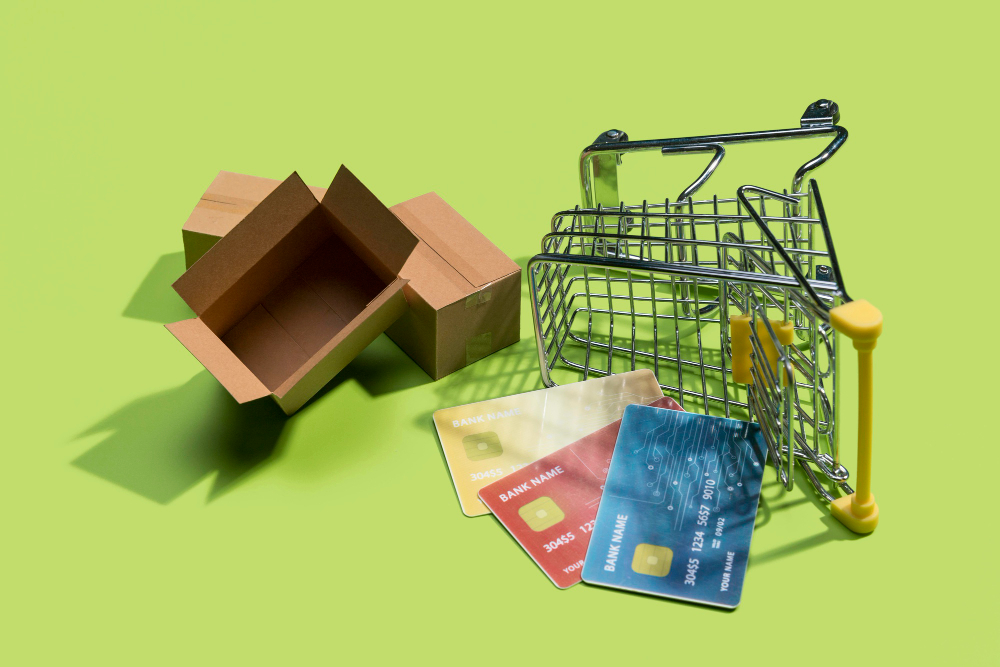
Cart abandonment is often blamed on pricing, delivery timelines, or complicated checkout flows. But for many businesses, especially in fast-growing digital markets like Nigeria, a quieter culprit is at play: failed card payments.
A customer is ready to buy. They’ve selected items, entered details, and clicked “pay.” Then the transaction fails. In that moment, intent disappears, and it is because the experience broke.
Why Failed Card Payments Lead to Abandonment
When a payment fails, most businesses assume the customer will simply try again. In reality, many don’t.
Here’s why:
- Trust drops immediately — customers question whether your platform is reliable
- Friction increases — re-entering card details feels like effort
- Uncertainty creeps in — “Was I charged? Should I try again?”
- Alternatives are easier — they can leave and buy elsewhere
Studies show that a significant portion of failed transactions are false declines, legitimate payments that don’t go through due to bank restrictions, network issues, or authentication failures.
For the customer, the reason doesn’t matter. The experience does.

Common Causes of Failed Card Payments
Understanding the root causes is the first step to fixing them.
- Issuing banks may block transactions due to suspected fraud, unusual spending patterns, and insufficient authentication.
- Intermittent network issues can interrupt payment processing mid-transaction.
- OTP delays or failed 3D Secure verification can cause transactions to time out.
- Some payment systems have lower success rates due to poor routing or limited optimization.
The Real Cost of Failed Card Payments to Your Business
Failed payments don’t just reduce revenue; they affect your entire funnel. Customers who were ready to pay don’t complete checkout, reliability becomes a concern, there’s an increased support load: “Was I charged?” becomes a frequent question, and above all, customers may not return.
Even a small drop in payment success rate can translate into significant revenue loss over time.
How to Reduce Cart Abandonment from Failed Payments
1. Offer Multiple Payment Options
Don’t rely solely on card payments. Customers should be able to switch easily to alternatives like: bank transfers, payment links, and even QR payments.
Platforms like Woven Finance allow businesses to offer multiple payment methods within a single flow, reducing the risk of losing a customer when one method fails.
2. Optimize Your Payment Infrastructure
Not all payment systems are equal, but a well-optimized payment infrastructure can route transactions intelligently, improve success rates, and reduce unnecessary declines.
This ensures that legitimate transactions go through more consistently.
3. Reduce Friction in Retry Flows
If a payment fails, make it easy to try again. Don’t force customers to re-enter all their details. Provide clear, simple retry options, and allow switching payment methods instantly
The goal is to keep the customer in the flow, not send them back to the start.
4. Improve Transaction Feedback
Uncertainty kills conversions. So, instead of generic messages like: “Transaction failed”
Use clearer prompts. E.g, “Your bank declined this payment. Try another method”, “Authentication timed out. Please retry.”
This reassures customers and guides their next step.
5. Enable Real-Time Payment Confirmation
Customers want immediate clarity.
Real-time updates confirm successful payments instantly, reduce duplicate attempts, and build trust in your system
When customers know exactly what’s happening, they’re more likely to complete the transaction.
6. Monitor and Track Payment Failures
You can’t fix what you don’t track. Use dashboards to identify failure patterns, track success rates by payment method, and spot recurring issues
With tools like Woven Finance, businesses gain visibility into transaction performance, helping them optimize over time.
What a Better Checkout Experience Looks Like

When payment systems are optimized:
- Customers complete transactions without interruption
- Failed payments don’t immediately lead to drop-off
- Alternative options keep the purchase alive
- Finance and operations teams have full visibility
The checkout process becomes resilient, not fragile.
Cart abandonment isn’t always about pricing or product. Sometimes, it comes down to a single failed transaction. And in that moment, the difference between losing and saving a sale is not marketing, it’s infrastructure.
By improving how payments are processed, retried, and completed, businesses can recover lost revenue, improve customer trust, and create a smoother path from intent to purchase.
Because when a customer is ready to pay, the system shouldn’t be the reason they don’t.